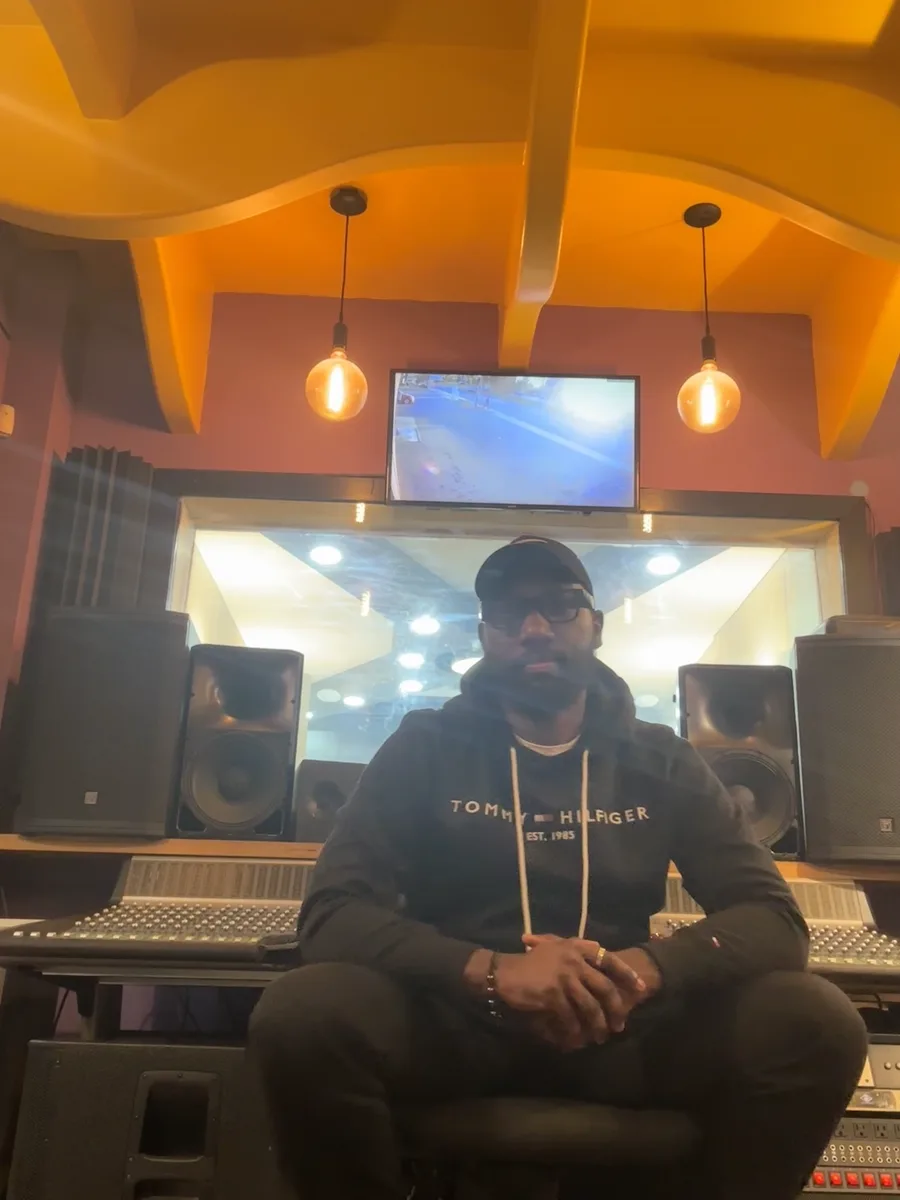
As an engineer and producer, every mix is built meticulously in Ableton Live and Pro Tools, backed by access to official outboard and hardware — not just plugin emulations. That combination is what turns a session into a record that holds up next to anything else on the platform.
I also work live production at arena scale, at front of house. That’s where the studio work gets audited. Every week I hear finished, released records meet a large-format PA, and I hear which ones fall apart: the low end that turns to mud through a sub array, the wide mix that collapses when the room sums to mono, the master with no headroom left for the house engineer. I mix with that in the room.
Sessions run just as precisely in-studio or fully remote, with a fast turnaround on every mix and master. Beyond the standard master, records come back in the alternate versions an artist actually needs — DJ mixes, radio mixes, and performance mixes built for the room they’re going to hit.
There’s also a layer of insight that goes beyond the technical — knowledge earned over years behind the console that shapes not just how a record sounds, but how it moves an artist’s career forward.
That range shows up in the credits — mixing for artists including Young Dro, Keith Murray, DaBaby, Young Scooter, Young Dolph, Key Glock, Kehlani, and Miri Ben-Ari, alongside audio work for the Greensboro Symphony Orchestra and NCAA Tournaments.
Work With Solidus79